5 thoughts on the future of healthcare from Cleveland Clinic CEO Dr. Toby Cosgrove

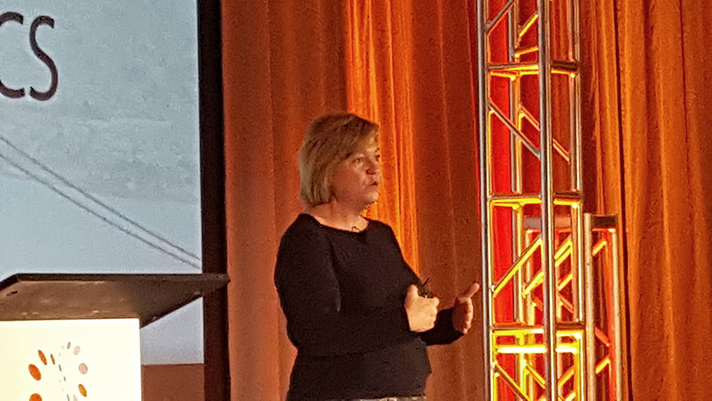
When Delos “Toby” Cosgrove, MD, president and CEO of Cleveland Clinic, was a high school junior, his father took him to visit a family friend who was a college professor.

“Naturally, the conversation turned into, ‘What do we need to do to get Toby into college,'” Dr. Cosgrove told the audience during a keynote at Becker’s Hospital Review’s 8th Annual Meeting in Chicago. Rhoda Weiss, PhD, speaker, author, consultant and co-chair of the meeting, moderated the conversation. The professor said he was not interested in Dr. Cosgrove’s IQ, but rather his GQ —  a term that neither Dr. Cosgrove nor his father had heard before.

Read More


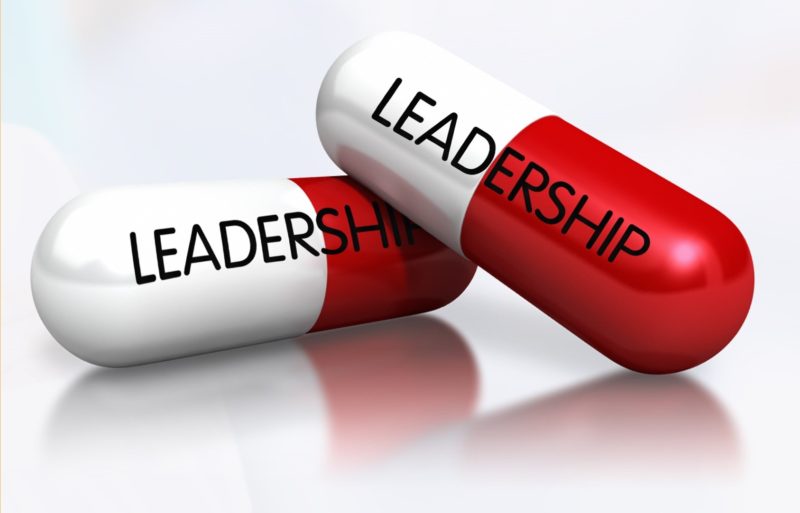
Prescribing Leadership: How Can Leaders Better Prepare for The Dynamic World of Healthcare?

When most people think about the challenges of implementing healthcare analytics, they wrongly expect it to be the data, talent or technology.

In a recent study, leadership was actually identified by participants as the top challenge. Unfortunately, the skills that made healthcare leaders successful in the past may not be enough to be successful in the future.

“Read More”

4 Questions With Rush CIO Dr. Shafiq Rab

Dr. Shafiq Rab, CIO of Rush University Medical Center in Chicago, uses his background in public health to inform his IT vision.

Dr. Rab, who completed his medical degree and internal medicine residency at Karachi, Pakistan-based Dow Medical College, had his interest in public health piqued during one of his first physician jobs. While treating an urban squatters settlement in Pakistan, he worked with non-governmental organizations to address the infant mortality rate, mainly by bringing clean drinking water to its residents.

Read more at Becker’s Health IT & CIO Review


BIG DATA & HEALTHCARE ANALYTICS: A HIMSS EVENT

Please join me at my leadership presentation for this conference.

SAN FRANCISCO, CA

MAY 15-16, 2017


5 Must-Haves for Effective Analytics in Clinical Decision-Making

In healthcare, data is king. Clinicians rely on data to make informed decisions at the point-of-care and ultimately propel patients’ health forward. However, the wealth of unstructured data captured by IT systems in hospitals may prove fruitless if physicians can’t use it to inform care decisions in real time. Analytics must be straightforward, easily digestible and accessible to help physicians personalize and improve patient care planning.

Read More at Becker’s Health IT & CIO Review


The Growth of Predictive Analytics — 7 Thoughts and Observations

Here are seven things to know about how advanced analytics can be used to make predictions in healthcare.

Read More


Who Bears the Cost of the Uninsured? Nonprofit Hospitals.

But in new research the authors find that when the population of uninsured Americans increases, hospitals end up bearing the cost by providing uncompensated care. In fact, their results suggest that each additional uninsured person costs local hospitals $900 per year.

READ MORE


This is How Providers Can Make Social Media a Relevant Strategy

Social media represents a great opportunity for establishing a one-on-one relationship with the patient, aka the healthcare consumer, directed by the healthcare organization that breaks from the pack, by creating a social media healthcare experience that is memorable, exceeding an individual or families experience and expectations.

READ MORE


The Critical Role of Physician CEO

Physicians are considered to be the ideal leaders in healthcare as they have been through tough training for many years and they are in charge of 100% of the healthcare dollars spent. They know medicine but unfortunately, they lack management skills such as strategic planning, negotiation, budget and financial decisions.

READ MORE


2016 State of Population Health Analytics Report

Executive Summary

Since 2014, the Healthcare Center of Excellence (HCOE) has been tracking the healthcare industry’s progress towards population health analytics using their proprietary Healthcare Transformation Change Model. This model was developed in 2013 to help healthcare organizations understand the requirements to become an analytics focused healthcare organization. The concepts were based on a customer relationship marketing (CRM) implementation model, previously co-developed by Professor Bennett. The CRM model was considered by Gartner to be one of the top three CRM implementation visions at the time and has become the basis for most successful CRM implementations today.

“Read More”